Blog Summary
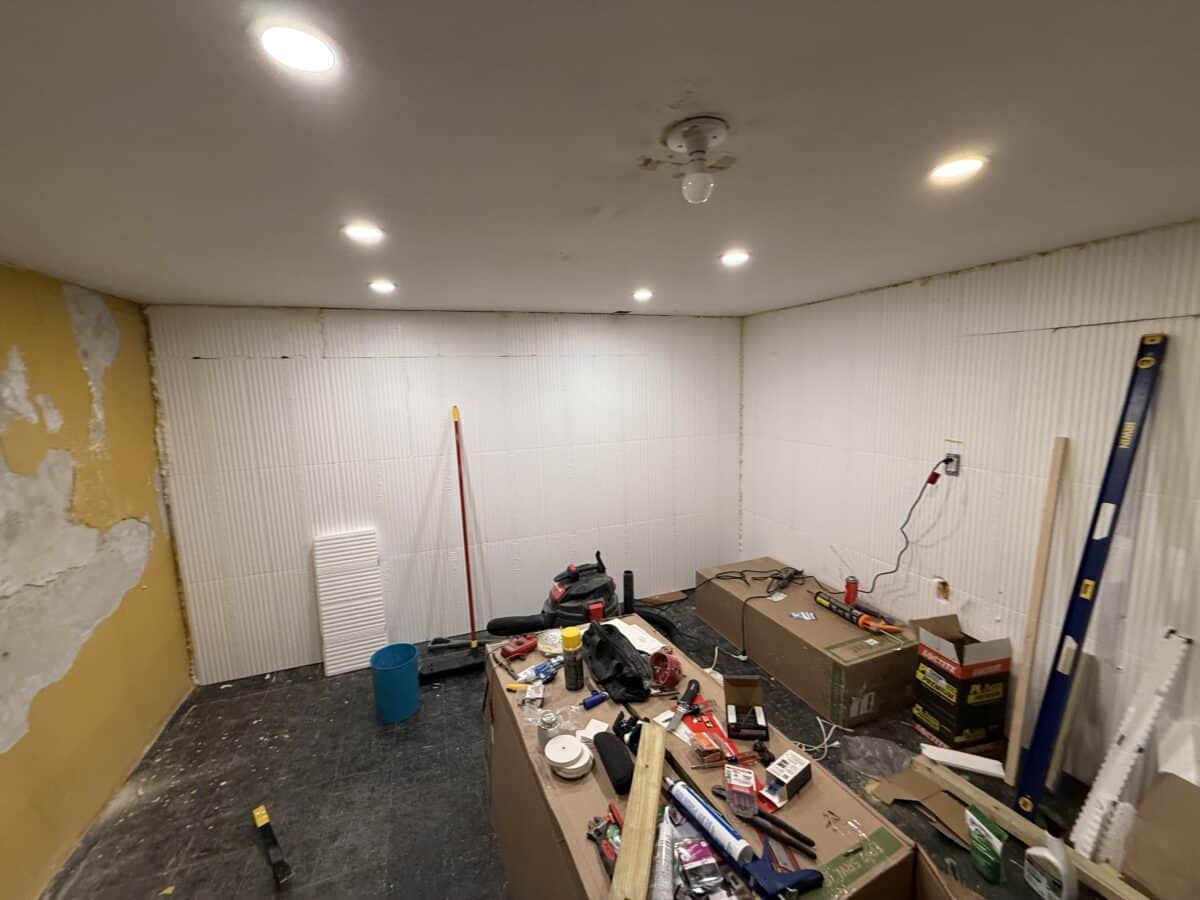
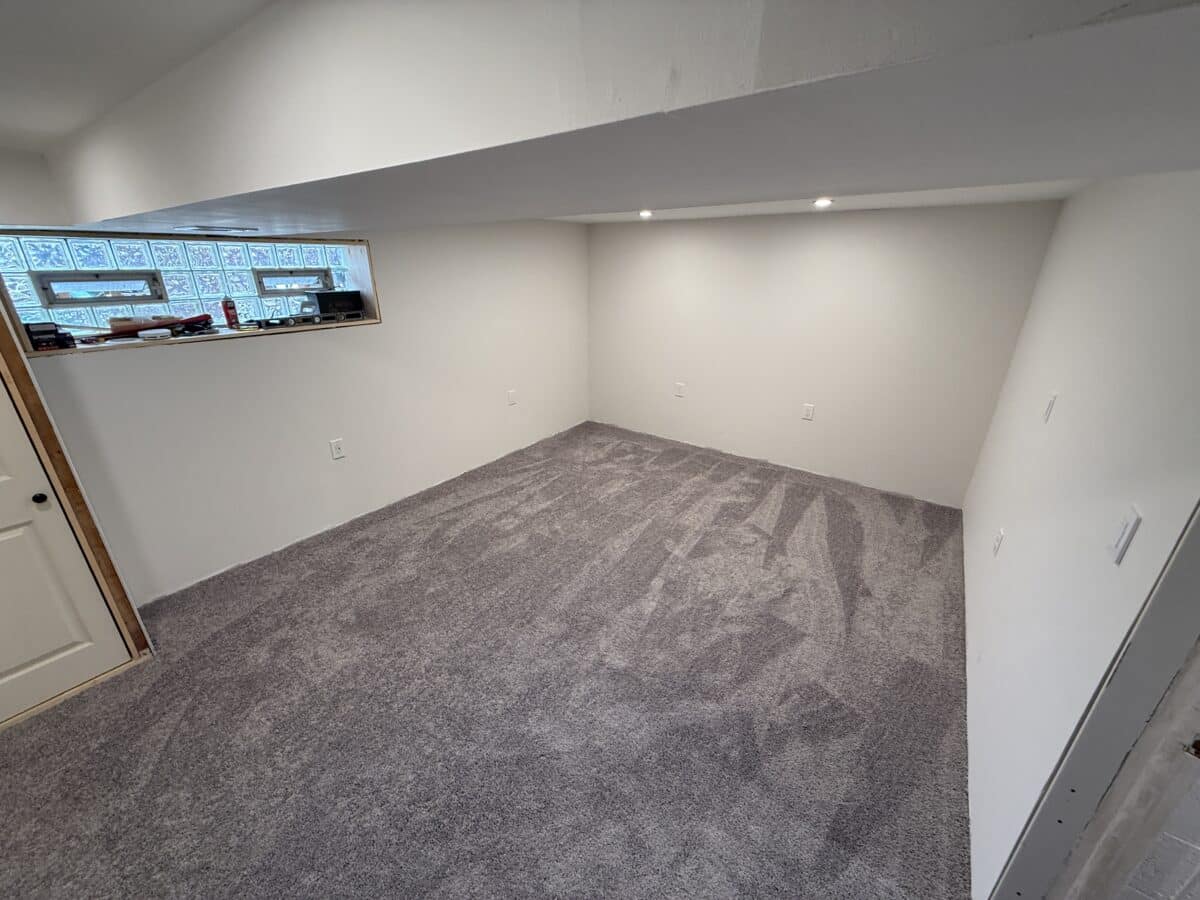
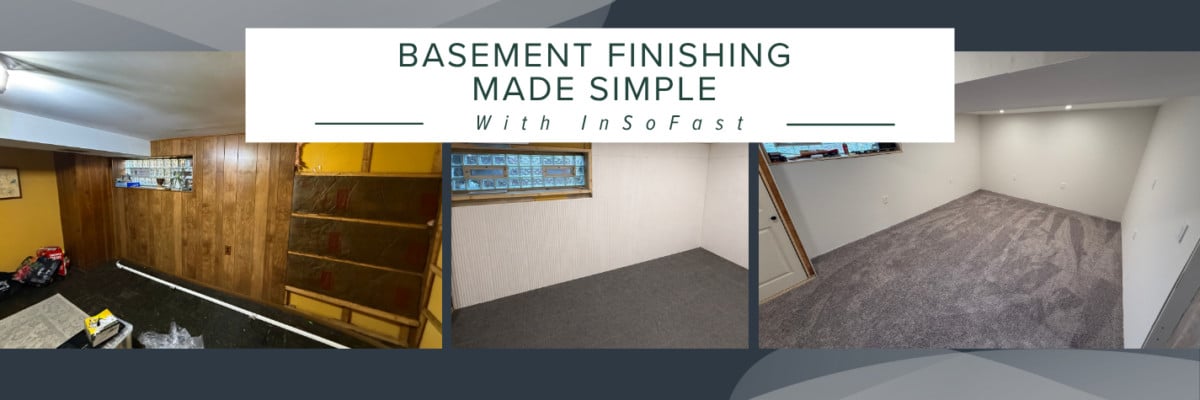
In a recent customer project, a homeowner transformed a small 200 sq. ft. basement into a finished playroom using InSoFast panels. They chose the system specifically to maximize usable space, reduce installation complexity, and achieve reliable moisture and thermal control without hiring a contractor. The result was a comfortable, dry, and energy-efficient living space with significantly less wall thickness compared to traditional construction methods—saving nearly 3 inches per wall.
- Basement finishing requires three essentials: vapor barrier, insulation, and framing and InSoFast combines these into one integrated EPS panel system
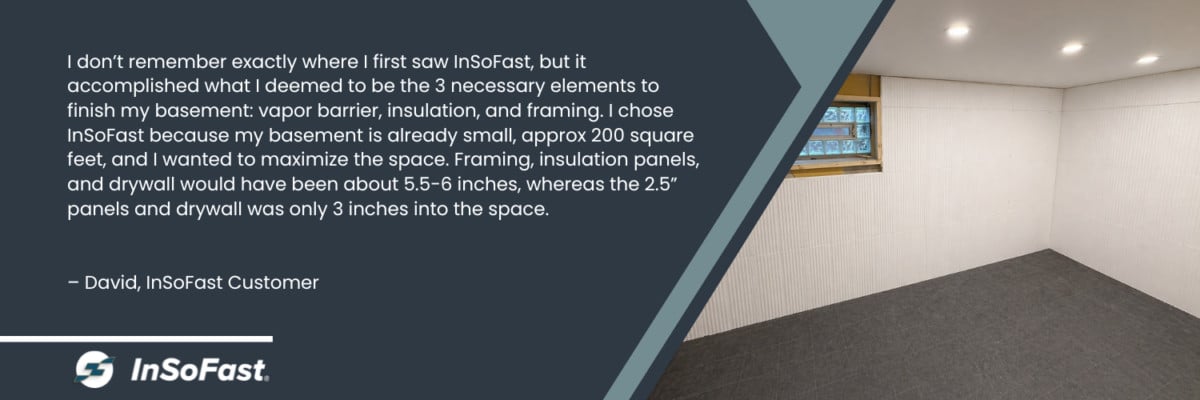
- Finished wall thickness with InSoFast + drywall is ~3 inches, preserving valuable floor space
- Continuous insulation reduces thermal bridging and improves energy efficiency
- Built-in vapor management helps control moisture and reduce mold risk
- Integrated design simplifies installation and reduces reliance on multiple trades
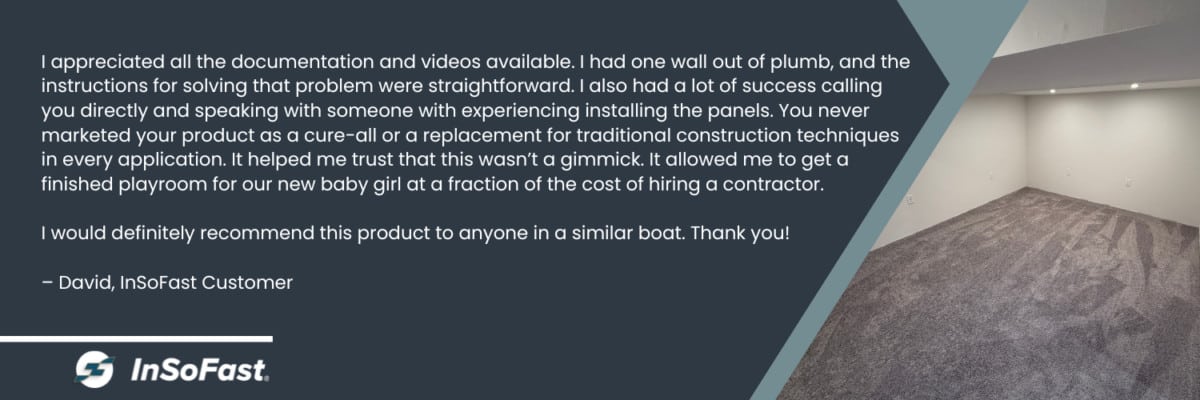
- Real homeowner example: small basement (200 sq. ft.) converted into a functional playroom at lower cost and higher efficiency than traditional contractor-built methods
- Ideal for DIYers and small-space basement renovations where every inch matters
The 3 Essential Elements to Finishing a Basement
Finishing a basement isn’t just about adding drywall and calling it done. Below-grade spaces come with unique challenges—moisture, temperature control, and limited square footage all need to be addressed upfront.
One homeowner, David from Pennsylvannia, recently transformed a 200 sq. ft. basement into a comfortable playroom for their growing family, and their experience highlights the three essential elements every basement project needs:
Vapor Barrier: Controlling Moisture from the Start
Basements are naturally prone to moisture intrusion. Without proper moisture management, even a beautifully finished space can develop mold, mildew, or long-term structural issues.
👉 For a deeper dive into moisture science and basement insulation basics, see:
Basement insulation guide and moisture considerations
Traditional approach:
- Separate plastic vapor barrier or coatings
- Risk of trapping moisture inside the wall
- Added labor and installation complexity
Modern building science has shifted away from interior plastic vapor barriers in basements because they can trap moisture instead of allowing walls to dry.
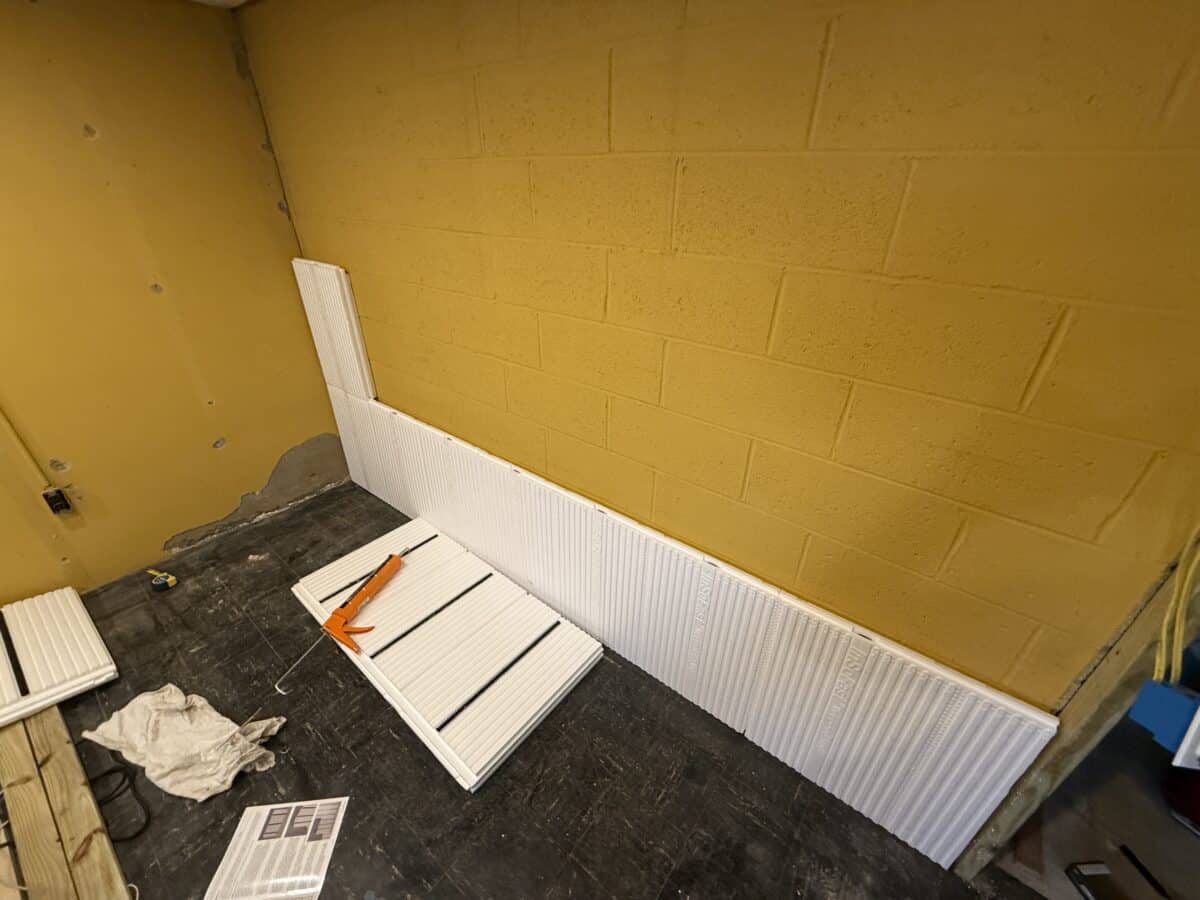
- Built-in vapor retarder (Class III) that allows inward drying
- Continuous surface coverage
- Integrated drainage channels to manage moisture
👉 Learn more about how InSoFast handles vapor control:
About basement insulation and moisture control with InSoFast
As David from Pennsylvannia shared, they needed a system that addressed moisture without overcomplicating the build—and found it in a single solution.
Insulation: Comfort and Energy Efficiency
A basement should feel like part of your home—not a cold, damp afterthought. Proper insulation is critical for comfort and long-term energy savings.
In fact, uninsulated basements can account for up to 20–30% of total heat loss in a home.
Traditional approach:
- Stud framing + fiberglass or foam board
- Thermal bridging through studs
- Multiple materials to coordinate
👉 Compare insulation approaches and performance:
InSoFast vs traditional fiberglass insulation comparison
Key issue: fiberglass and similar materials can absorb moisture and lose effectiveness over time, increasing mold risk.
With InSoFast:
- Continuous insulation reduces thermal bridging
- EPS foam resists moisture and maintains performance
- Integrated system simplifies installation
👉 See insulation options and why EPS panels are effective:
Basement insulation options and alternatives explained
David specifically chose InSoFast because it delivered insulation as part of a complete system—not as a separate step.
Framing: The Structure Behind the Finish
Framing provides the backbone for drywall—but in a basement, it can also take up valuable space.
Traditional approach:
- 2×4 framing + insulation + drywall
- Total wall thickness: ~5.5–6 inches
- Significant space loss
With InSoFast:
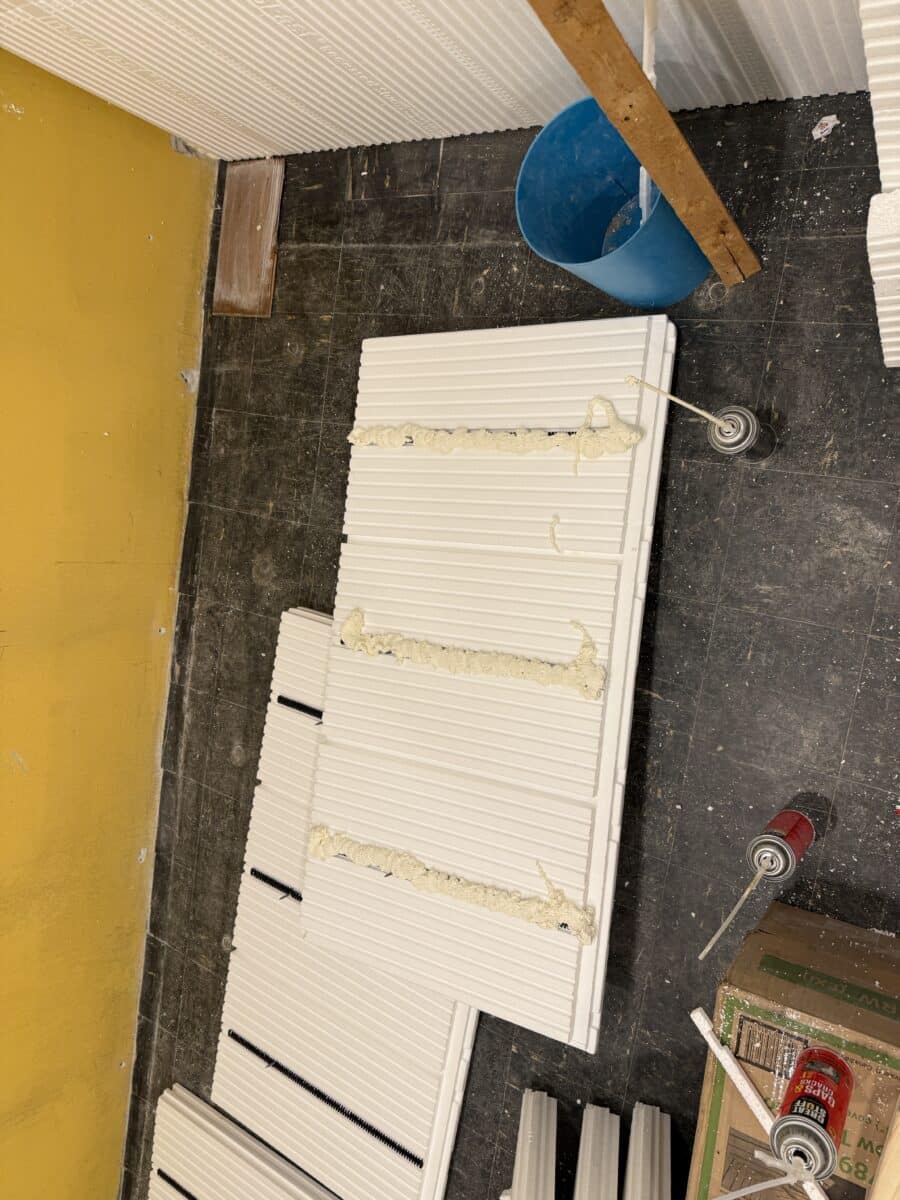
- Integrated framing strips within panels
- Electrical raceways built in
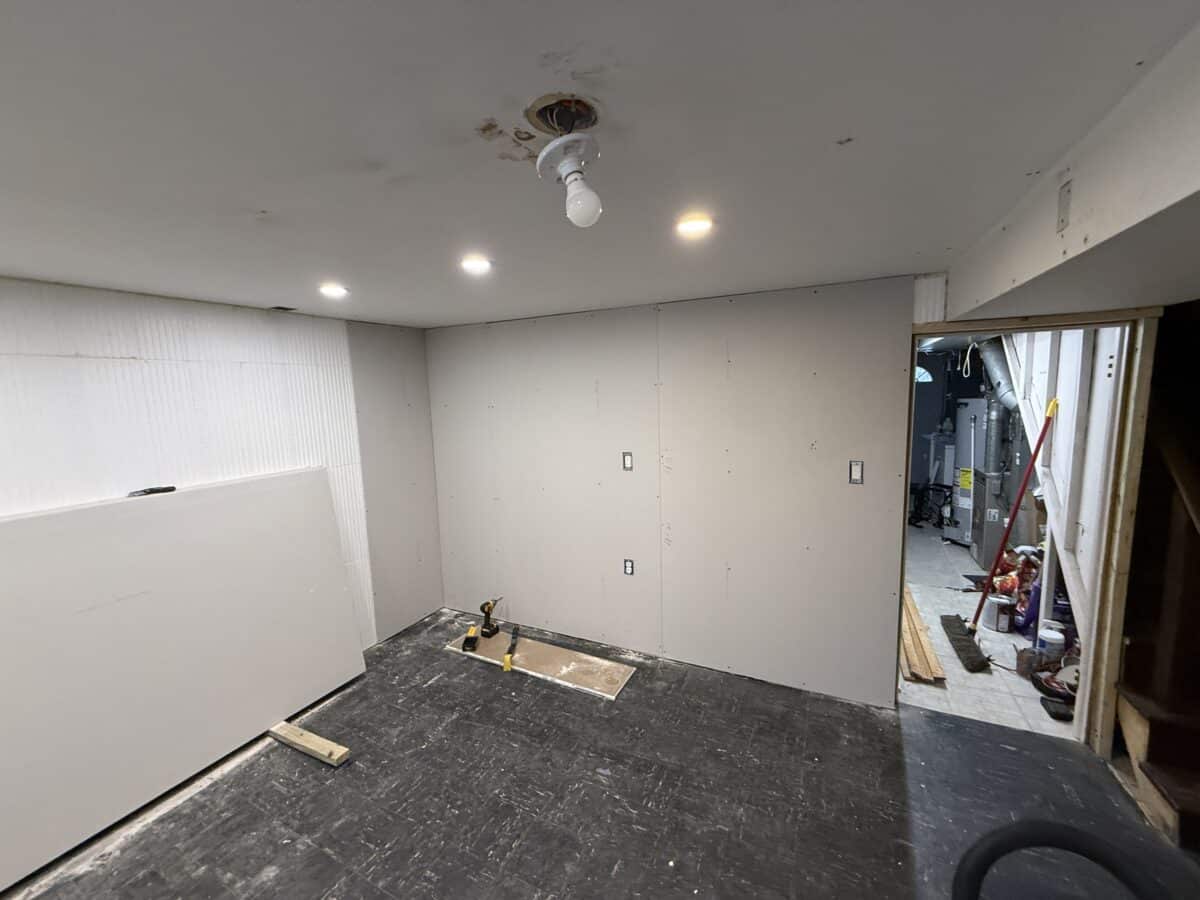
- Total thickness with drywall: ~3 inches
👉 See how InSoFast simplifies installation and electrical integration:
Basement cost and installation comparison overview
Real Results: A Functional, Comfortable Playroom
Why InSoFast Stands Out
Finishing a basement isn’t about solving one problem—it’s about solving three at once:
- Moisture control
- Insulation performance
- Structural readiness
Traditional methods tackle these separately. InSoFast combines them into one system:
- Vapor control
- Continuous insulation
- Integrated framing
All while saving space and simplifying installation. If you’re finishing a basement—especially a smaller one—every inch matters. As this homeowner discovered, choosing a system that addresses the three essential elements from the start can save time, space, and cost.

For 20 years, we have been an innovator in the insulation industry, with engineered solutions to save time and money. We pride ourselves on excellent customer service and quality products 100% made in the USA. InSoFast strives to change the way homes are built, making them more comfortable, energy efficient and healthier. For more info on the X-Bracket System or InSoFast EPS Panel Continuous Insulation, visit our website at: InSoFast Continuous Insulation Solutions