Blog Summary
A successful basement finishing project starts with moisture control—not just insulation. Traditional methods like fiberglass batts and vapor barriers often trap moisture, leading to mold, odors, and wall failure.
Best practices for basement insulation:
-
Install continuous rigid foam insulation (R-10 to R-15) against foundation walls
-
Avoid fiberglass and interior poly vapor barriers below grade
-
Use moisture-resistant, mold-resistant materials
-
Air seal rim joists with spray foam or sealed rigid foam
-
Fix water intrusion and drainage issues first
-
Seal for radon and soil gas protection
Why it works:
Continuous insulation prevents condensation, controls air leakage, and allows walls to dry inward—creating a dry, energy-efficient, and durable basement.
Bottom line:
The best basement insulation systems manage moisture first. Do it right, and you’ll get a comfortable, mold-free, long-lasting finished basement.
Basements are one of the most overlooked sources of energy loss and moisture problems in homes. A poorly insulated foundation can increase heating costs, create persistent condensation, trigger mold growth, and contribute to uncomfortable indoor conditions.
Modern research shows continuous insulation directly against the foundation, paired with a vapor-open but moisture-tolerant interior finish, delivers the best combination of comfort, durability, and long-term value.
How Much Insulation Is “Enough”?
Adding insulation below grade always improves performance — but only up to the point where the wall assembly can still dry inward. As insulation levels increase, the ability of the assembly to release moisture becomes more critical.
Today’s building-science consensus recommends:
- R-10 to R-15 continuous foam insulation on interior foundation walls in cold climates
- Higher R-values above grade where the wall is exposed
- Avoiding fibrous insulation directly against concrete
Over-insulating with materials which trap moisture (such as vapor-tight batts or interior poly sheeting) increases the risk of mold, odors, and wall failure.
Why Basements Are Prone to Mold
Basements naturally run cooler and more humid than the rest of the home. When warm indoor air touches a cold foundation wall, condensation forms, creating the perfect environment for mold.
Mold thrives when:
- Moisture is present
- Temperatures are between 40–100°F
- Dust, paper, or wood are available as food sources
Concrete doesn’t feed mold — but dust on concrete does, which is why moisture control is essential before finishing.
Key moisture sources include:
- Humid indoor air
- Air leakage around rim joists
- Capillary wicking from the soil
- Groundwater seepage
- Plumbing leaks
- Poor exterior drainage
Why Stud Walls with Fiberglass Often Fail
Traditional below-grade framing — wood studs + fiberglass batts + poly vapor barrier — creates a cold, humid cavity that cannot dry. The result is:
- Mold and mildew on the framing
- Reduced R-value as fiberglass absorbs moisture
- Persistent odors
- Potential structural decay
Today, most building scientists consider this method obsolete for below-grade applications

Best Practice Approach
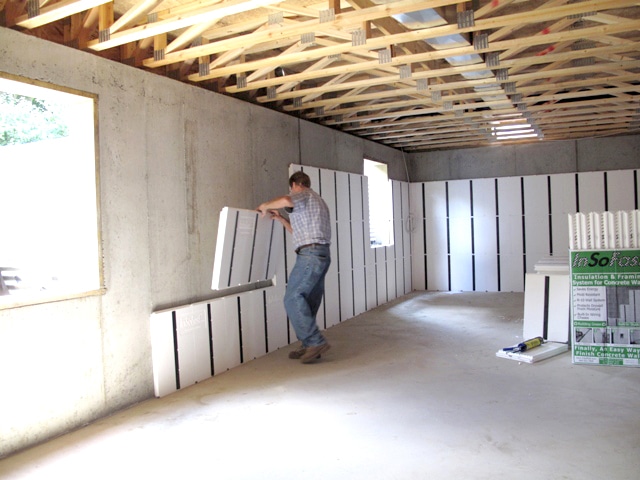
Place a continuous layer of rigid foam insulation directly against the foundation wall.
EPS (expanded polystyrene) is widely recommended because it:
- Is semi-permeable to vapor
- Allows inward drying
- Resists moisture absorption
- Maintains R-value even when cold
Combined with an integrated air barrier and a moisture-tolerant interior finish, this creates a dry, durable, and energy-efficient wall.
Best-Practice
Place a continuous layer of rigid foam insulation directly against the foundation wall.
EPS (expanded polystyrene) is widely recommended because it:
- Is semi-permeable to vapor
- Allows inward drying
- Resists moisture absorption
- Maintains R-value even when cold
Combined with an integrated air barrier and a moisture-tolerant interior finish, this creates a dry, durable, and energy-efficient wall.
Do You Need a Vapor Barrier?
Generally, no.
Current building-science guidance strongly discourages interior polyethylene vapor barriers on basement walls. These trap moisture in the assembly and cause mold.
A smart vapor retarder or no vapor barrier at all (when using rigid foam) is now recommended.
Concrete Sealing and Water Management
Before insulating, address water management:
- Ensure exterior grading slopes away from the house
- Keep gutters and downspouts functioning
- Seal cracks or joints in concrete
- Use a penetrating concrete sealer if moisture is present
- Consider a perimeter drain for chronic groundwater issues
Interior insulation should never be installed until bulk water problems are solved.
Rim Joist Insulation (Best Practice)
Fiberglass should never be used at rim joists.
The preferred method is:
- Closed-cell spray foam, or
- A rigid foam insert sealed with spray foam around the edges
This creates an air-tight, moisture-tolerant, high-R-value barrier.
Radon & Soil Gas Considerations
Before finishing, seal:
- Floor cracks
- Wall-to-slab joints
- Pipe penetrations
A radon test should always be performed after finishing the basement.
Why Continuous Foam Panels Outperform Framing + Batts
Modern continuous insulated panel systems:
- Eliminate thermal bridging
- Maintain R-value under cold and damp conditions
- Resist mold growth
- Provide integrated air control
- Allow wall drying
- Are dimensionally stable over time
- Save interior floor space
- Provide mounting surfaces for drywall or mechanicals
Environmental Impact and Durability
EPS and polypropylene components:
- Do not rot, absorb moisture, or support mold
- Are recyclable
- Maintain performance for decades
- Reduce long-term energy use
Wood framing and fiberglass insulation degrade when exposed to moisture and require replacement.


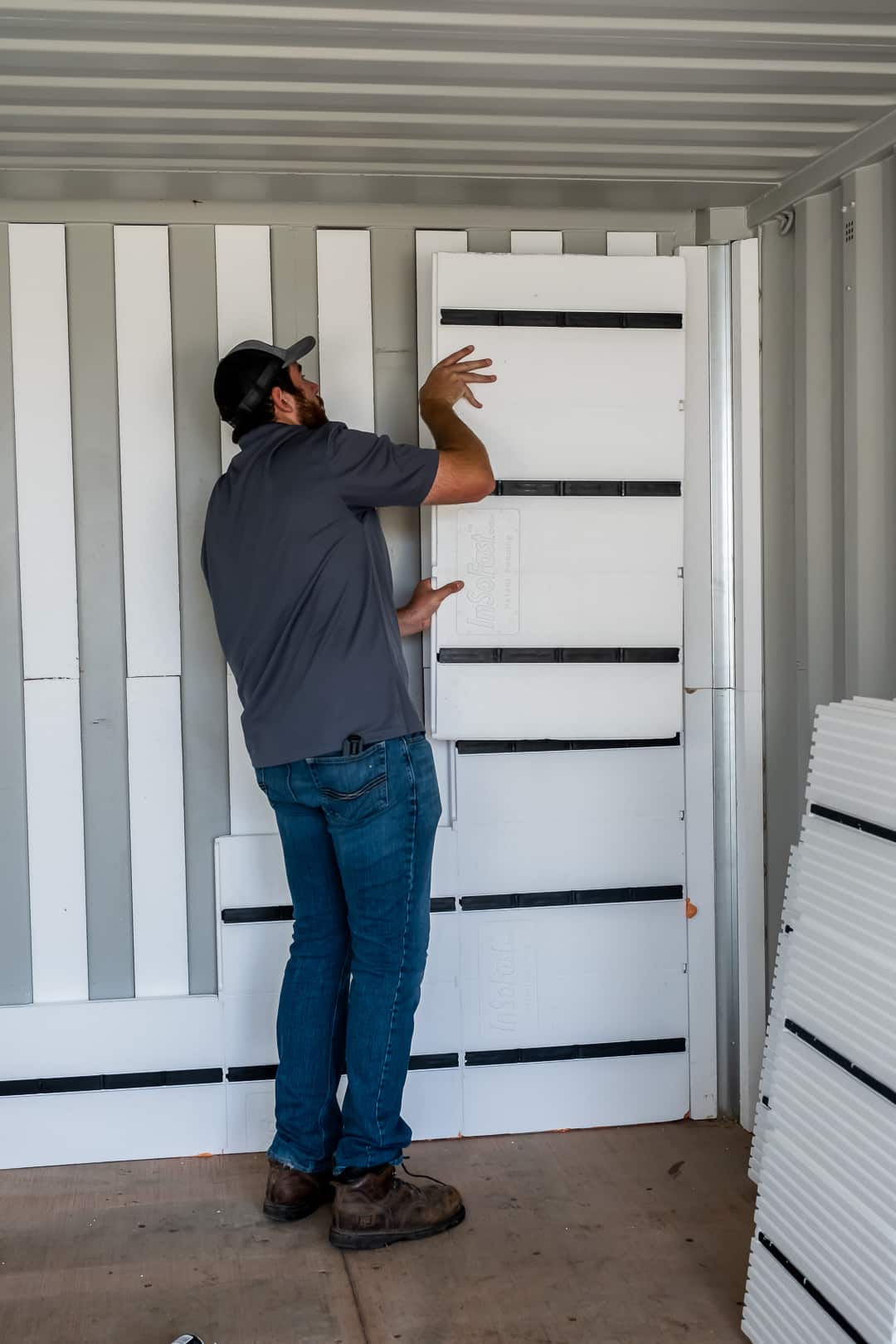
InSoFast Panels – Key Benefits
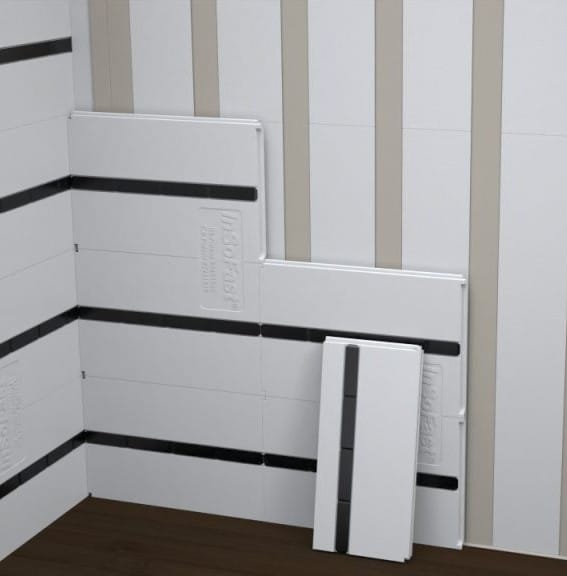
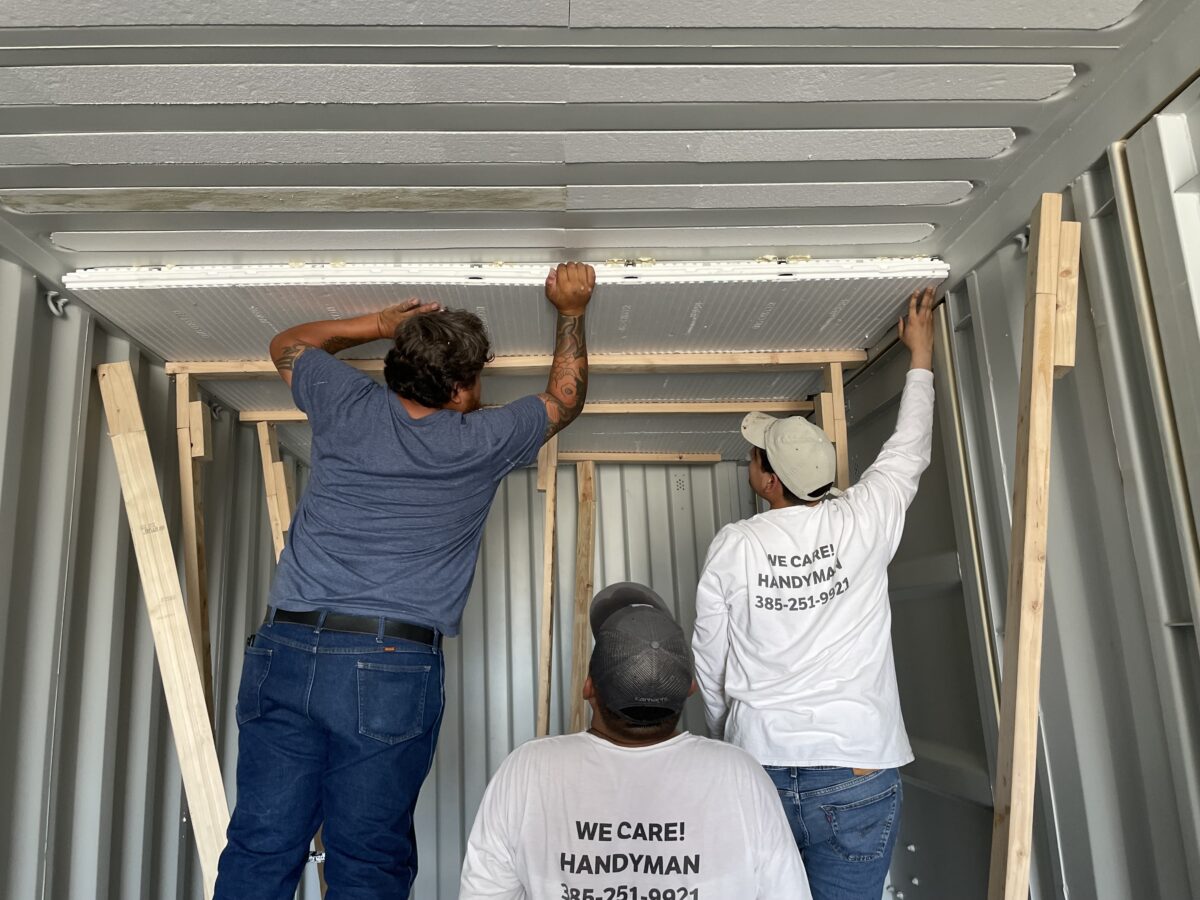
- All-in-one system (insulation, studs, wiring channels, and moisture management integrated)
- Fast, repeatable installation with lightweight 2’×4′ interlocking panels
- Continuous EPS insulation provides a warm interior surface and controls condensation
- No thermal bridging thanks to molded polypropylene studs
- Moisture-tolerant and flood-resistant materials
- Built-in drainage channels promote inward drying and prevent trapped moisture
- Simplifies wiring without drilling or notching
- Creates a stable, code-ready drywall surface without framing
- Ideal for DIY homeowners and remodelers wanting predictable results
- Reduces wall thickness, maximizing interior floor space
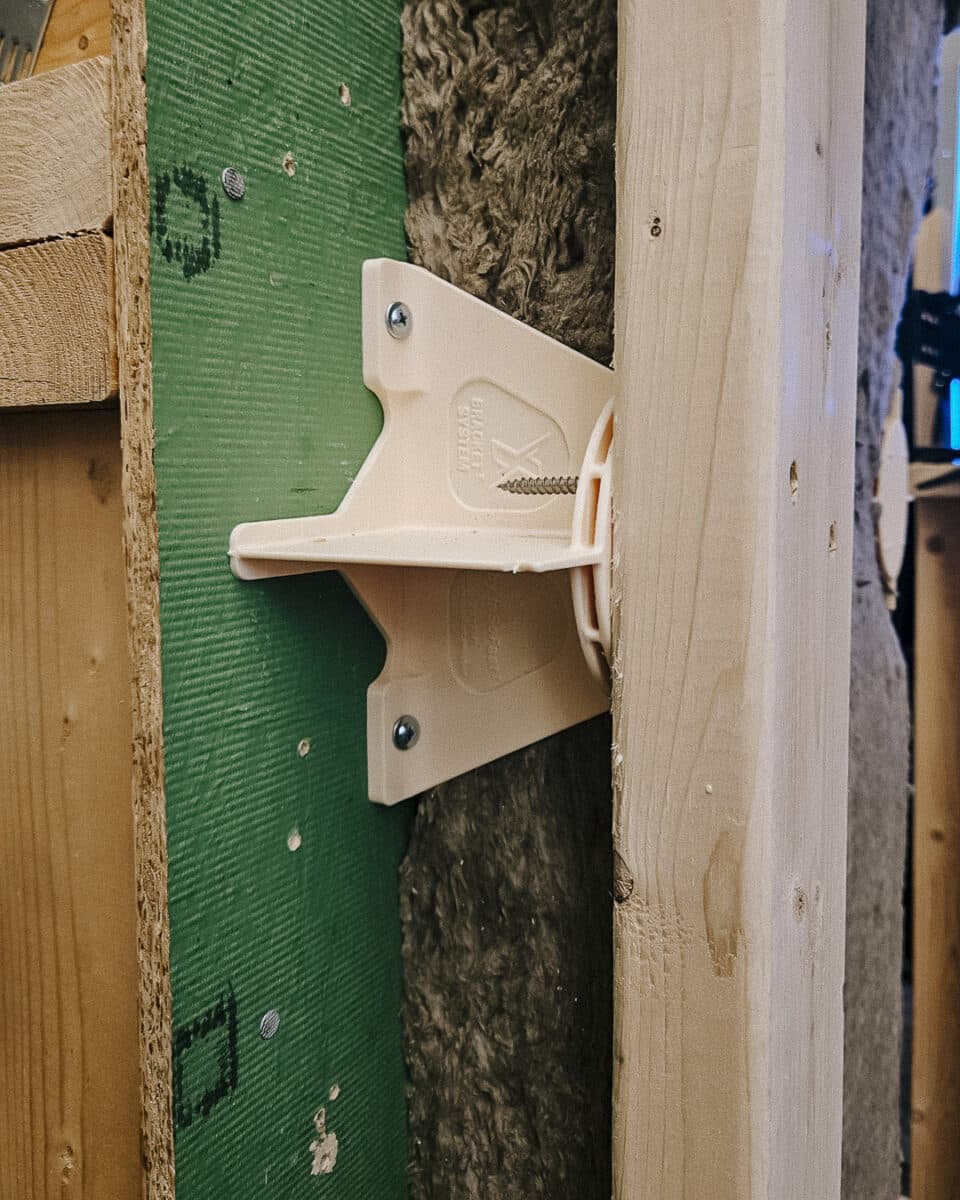
InSoFast X-Bracket System – Key Benefits
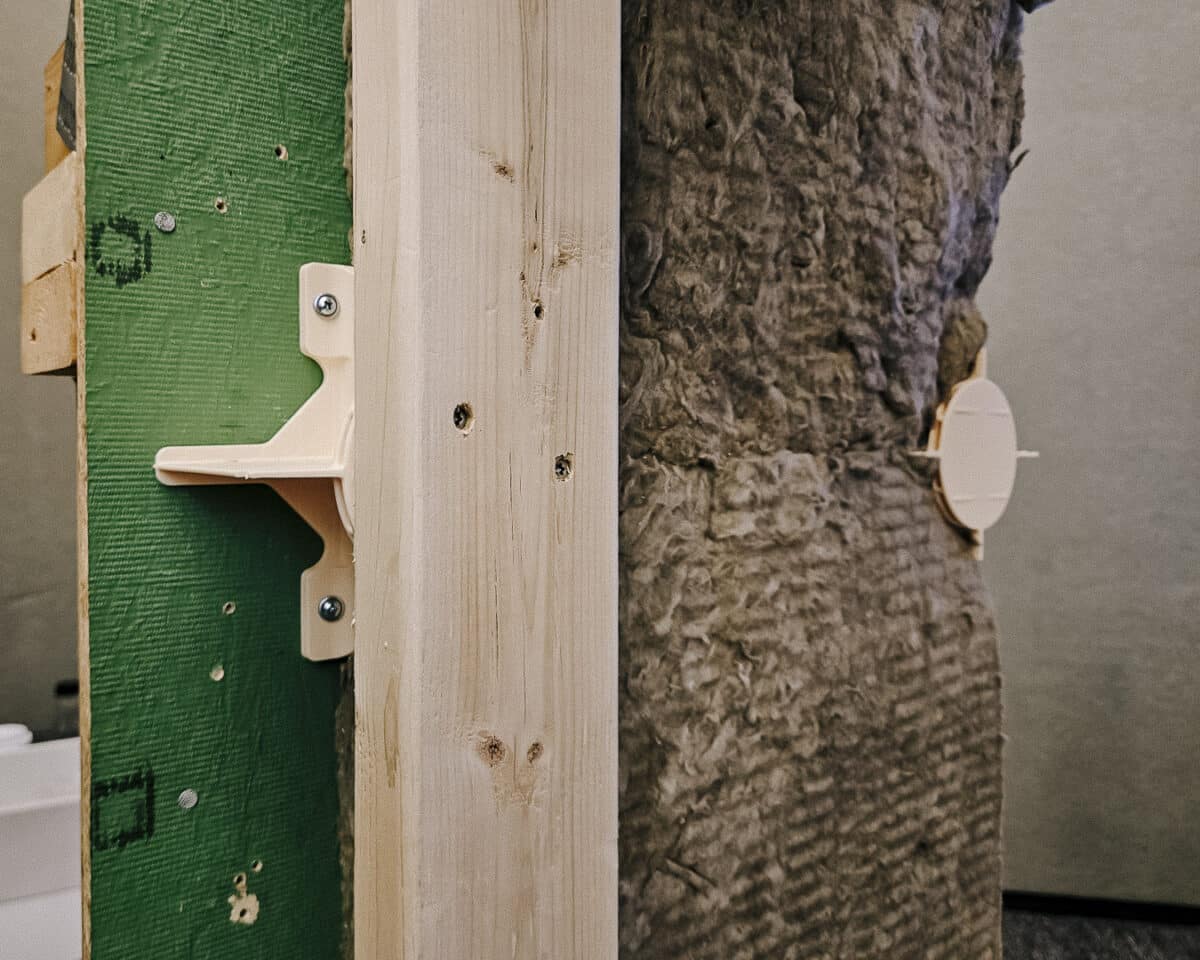
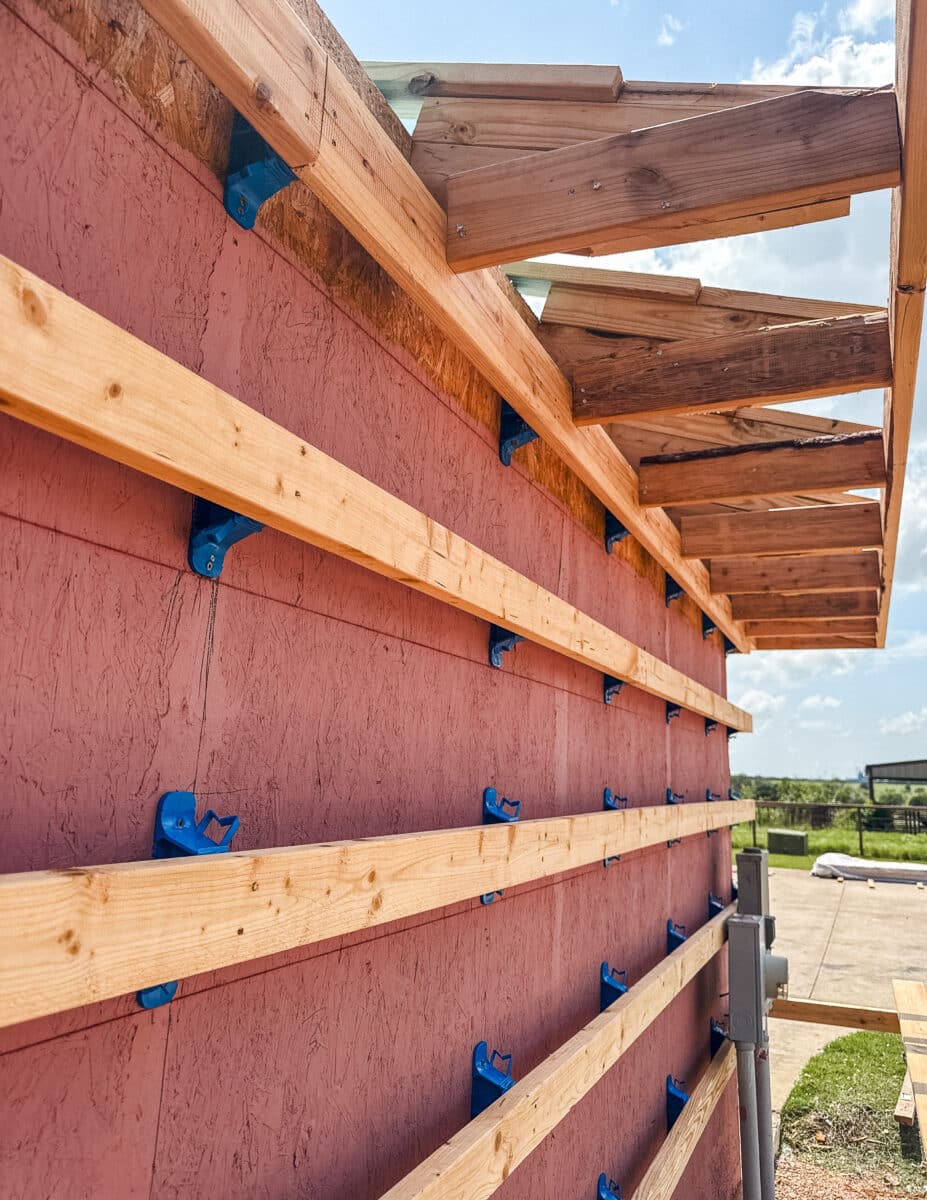
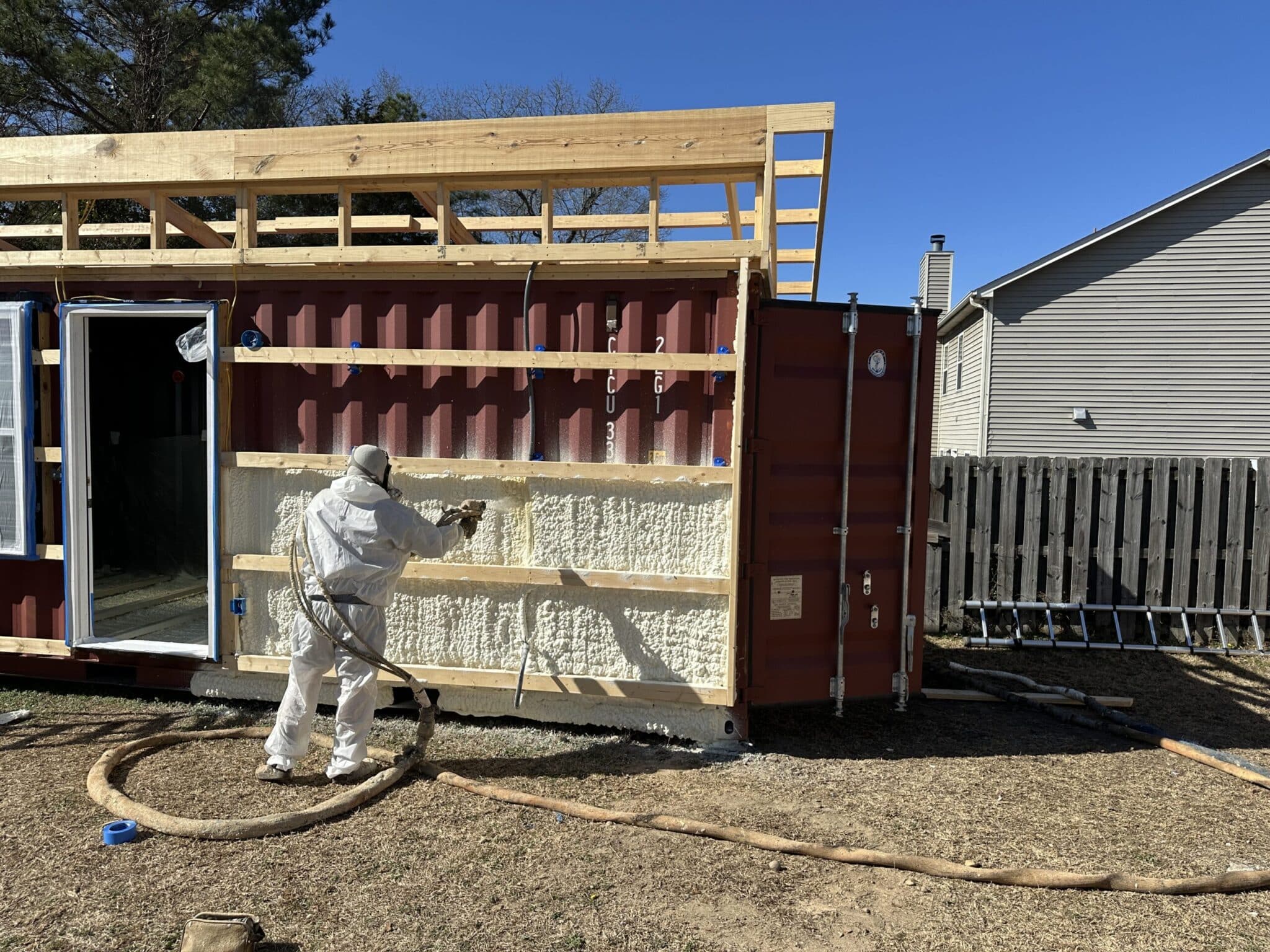
- Flexible insulation choice, ideal for closed-cell spray foam or blown-in insulation
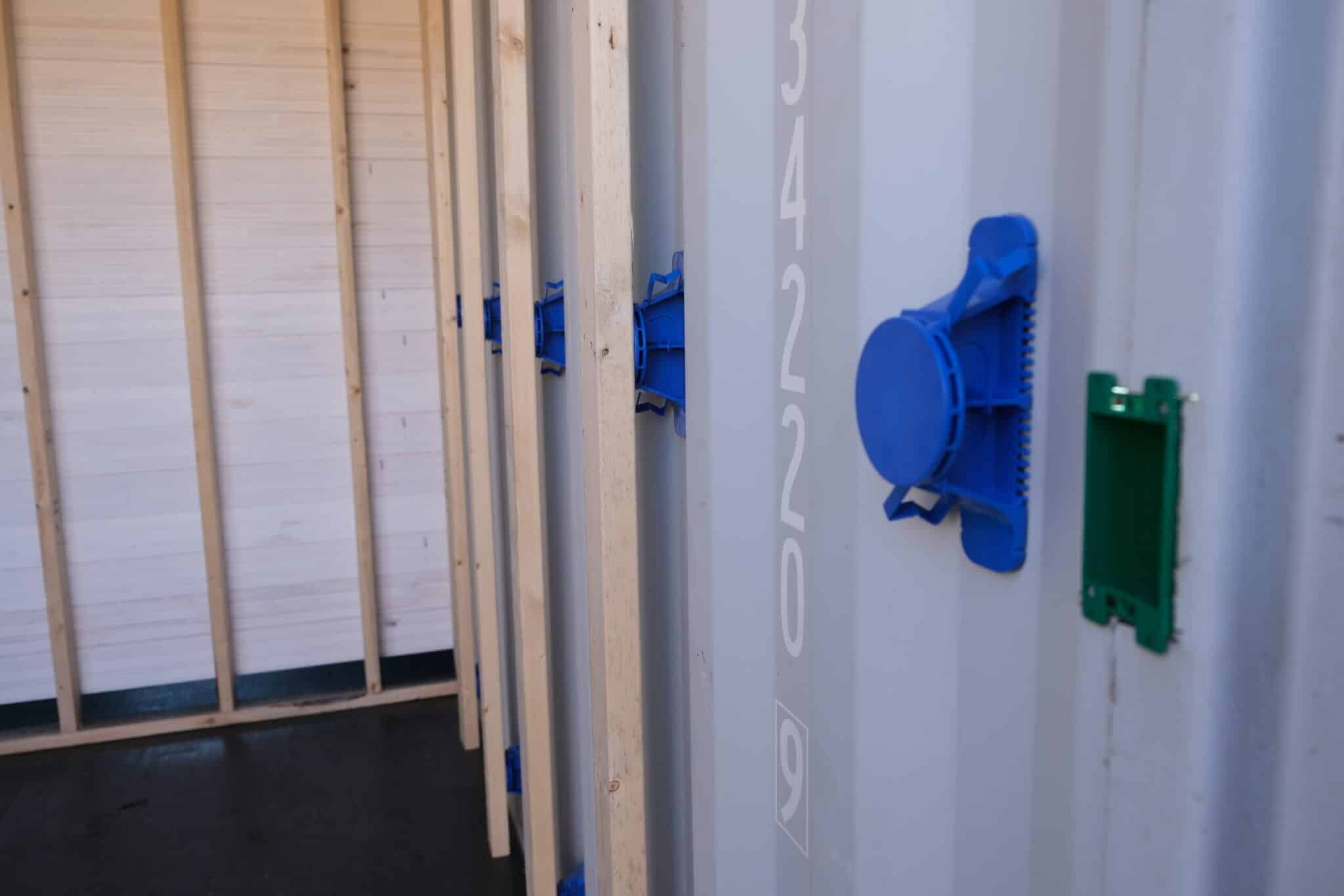
- Ultra-low-profile brackets maximize usable space in tight basements
- Direct-to-concrete installation reduces materials and eliminates furring strips
- Zero thermal bridging, as brackets minimize conductive contact points
- Creates a matrix for monolithic air, moisture, and vapor control when used with spray foam
- Rapid electrical routing, with channels engineered directly into the bracket layout
- Excellent for irregular or uneven foundation walls, where panel systems may need prep
- Highly durable, flood- and mold-resistant components
- Preferred by contractors needing speed, adaptability, and high R-values
- Ideal for high-performance builds, radon mitigation, and advanced air-sealing goals

For 20 years, we have been an innovator in the insulation industry, with engineered solutions to save time and money. We pride ourselves on excellent customer service and quality products 100% made in the USA. InSoFast strives to change the way homes are built, making them more comfortable, energy efficient and healthier. For more information, visit our website at www.InSoFast.com