DIY Basement Insulation
Creating a Warmer Playroom with InSoFast Panels
Blog Summary
A homeowner in New York used InSoFast insulated panels to insulate and finish a basement playroom, addressing common concerns like moisture control, mold prevention, and uneven surfaces. After researching traditional methods, he chose a continuous insulation system with integrated framing to simplify installation and manage moisture in one step. He prepared the space by flattening the walls and addressing exterior moisture, then used shims and spacers to accommodate uneven basement floors and walls, sealing gaps with spray foam to maintain a continuous insulation barrier.
The results showed an immediate improvement in comfort, with basement temperatures increasing from about 55°F to 61–63°F in winter without adding new heat. The built-in electrical raceways also made wiring simple for a DIY installation. This project demonstrates key basement insulation best practices, including prioritizing moisture control, adapting to uneven surfaces, and using integrated insulation systems to create a warmer, more functional living space.
Searching for the Right Basement Insulation System
When Jason began researching how to finish his basement in upstate New York, he quickly discovered insulating basement walls isn’t as straightforward as it might seem. Concerns about moisture, vapor control, and mold made him cautious about choosing the right system.
After diving deep into basement finishing research and comparing different methods, Jason came across a solution to simplify the entire process: InSoFast EPS insulation panels.
Like many homeowners starting a DIY basement finishing project, Jason initially planned to use traditional materials.
“I was going to use foam board on the walls and then build regular stud walls,” he explained. “But I was worried about moisture, vapor barriers, and mold.”
While researching online, Jason discovered InSoFast installation videos on YouTube and realized the integrated panel system solved multiple challenges at once.
“Having the studs embedded and everything built into one system just seemed like a no-brainer,” he said. “It felt like it addressed all the moisture and insulation concerns in one package.”

Preparing Basement Walls for Installation
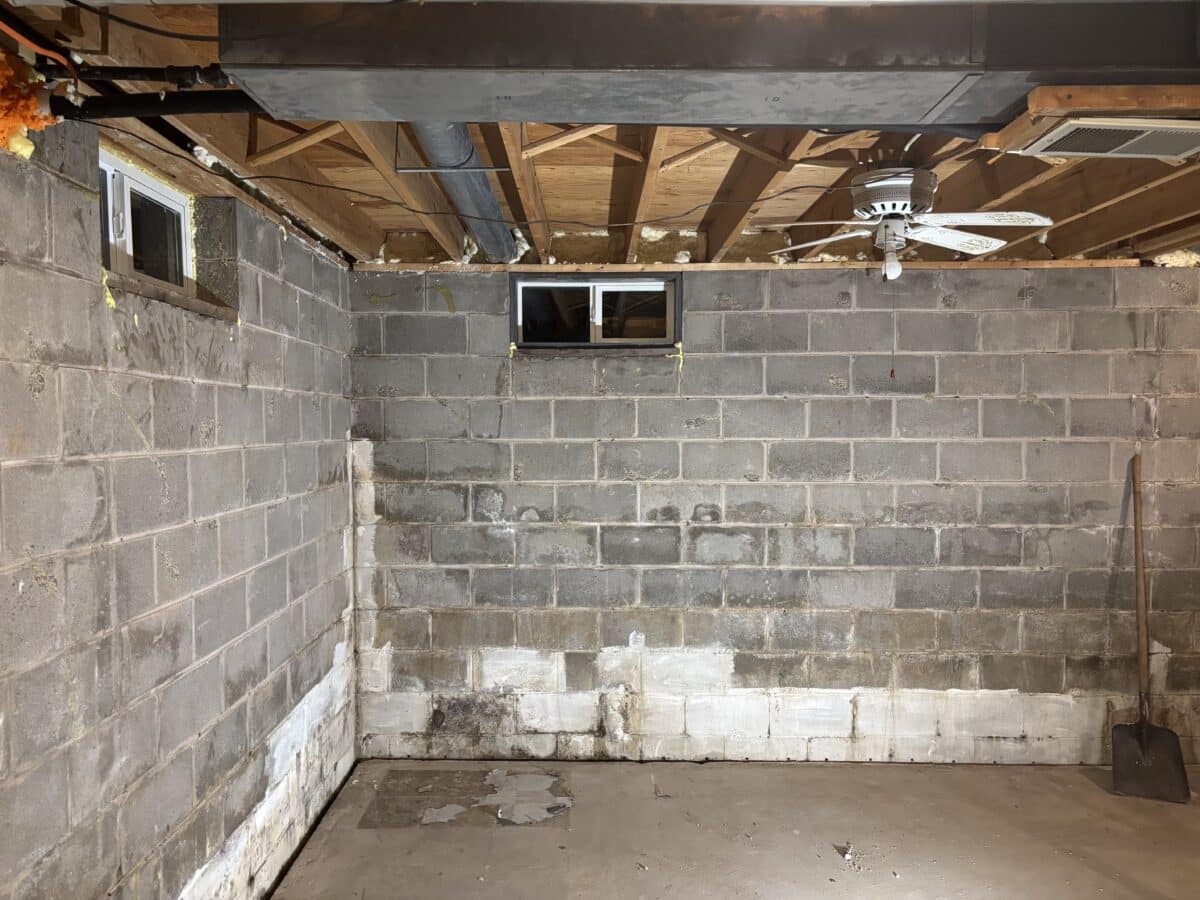
Jason carefully prepared his basement walls before installation. While the walls weren’t visually perfect, he focused on what mattered most: making the surface as flat as possible.
“I knocked down anything that was raised and scraped what I could,” he said. “They weren’t pretty walls, but I tried to flatten them out as much as possible before installing the panels.”
This preparation helped ensure the panels adhered well during installation.
Overcoming Uneven Basement Walls and Floors
One of the most common challenges in basement remodeling is uneven surfaces—and Jason’s basement was no exception.
“The slab floor wasn’t level at all,” he said.
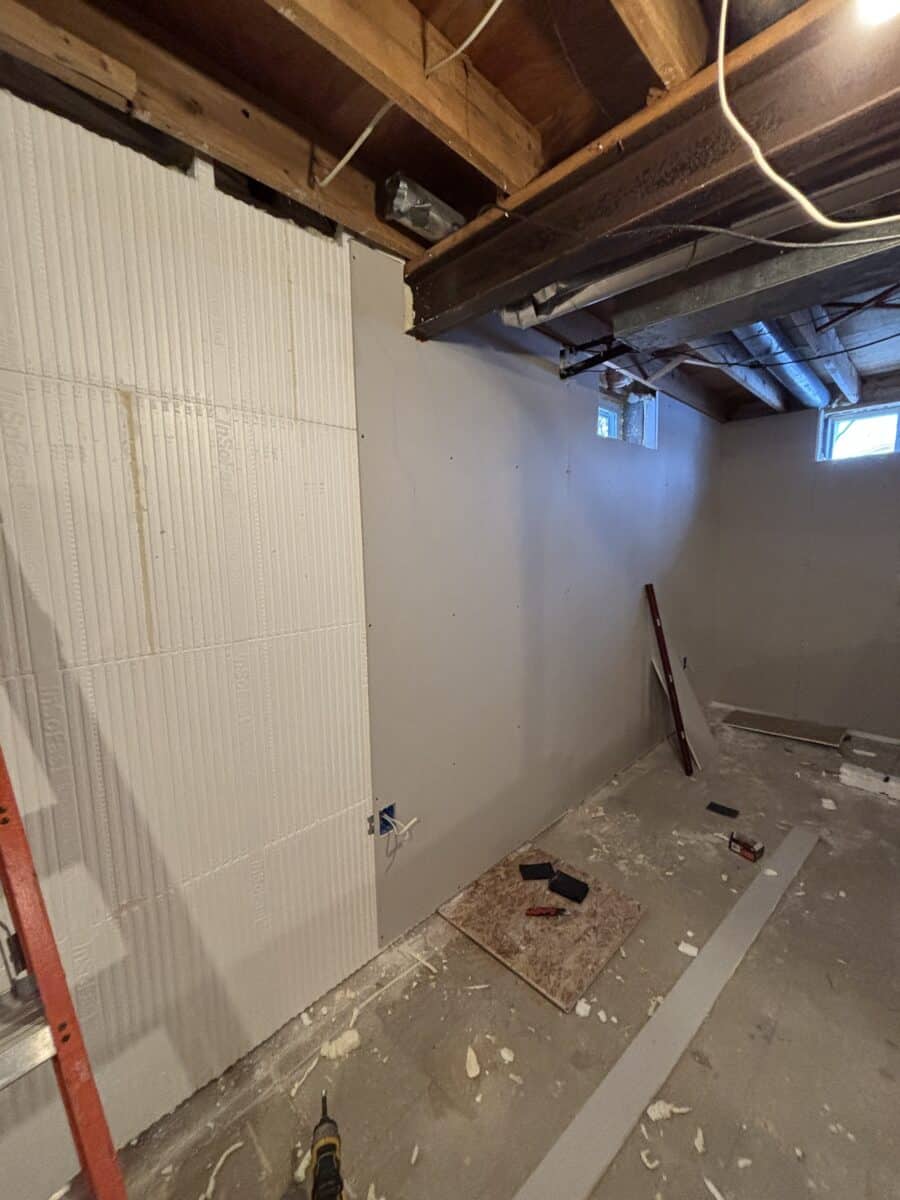
To compensate, Jason used spacers and shims to keep the panels level as he worked his way along the wall. Sometimes, this created small gaps where the panels met the floor.
His solution was simple and effective: expanding spray foam.
“I filled those gaps with spray foam insulation to seal everything up,” he explained.
This kind of adjustment is typical when finishing basements, especially in older homes where walls and floors often shift over time.


The InSoFast Team Connection
A Noticeable Temperature Difference
Even before completing drywall and finishing the room, Jason noticed a dramatic improvement in basement comfort.
Using a thermometer to monitor the space during winter, he measured the temperature before and after installing the panels.
Before installation, the basement hovered around 55°F in winter.
After installing the insulated panels—without adding additional heat—the temperature increased to 61–63°F.
“That’s a six or seven degree increase without any new heating,” Jason said. “You definitely notice the difference.”
Making Electrical Installation Simple
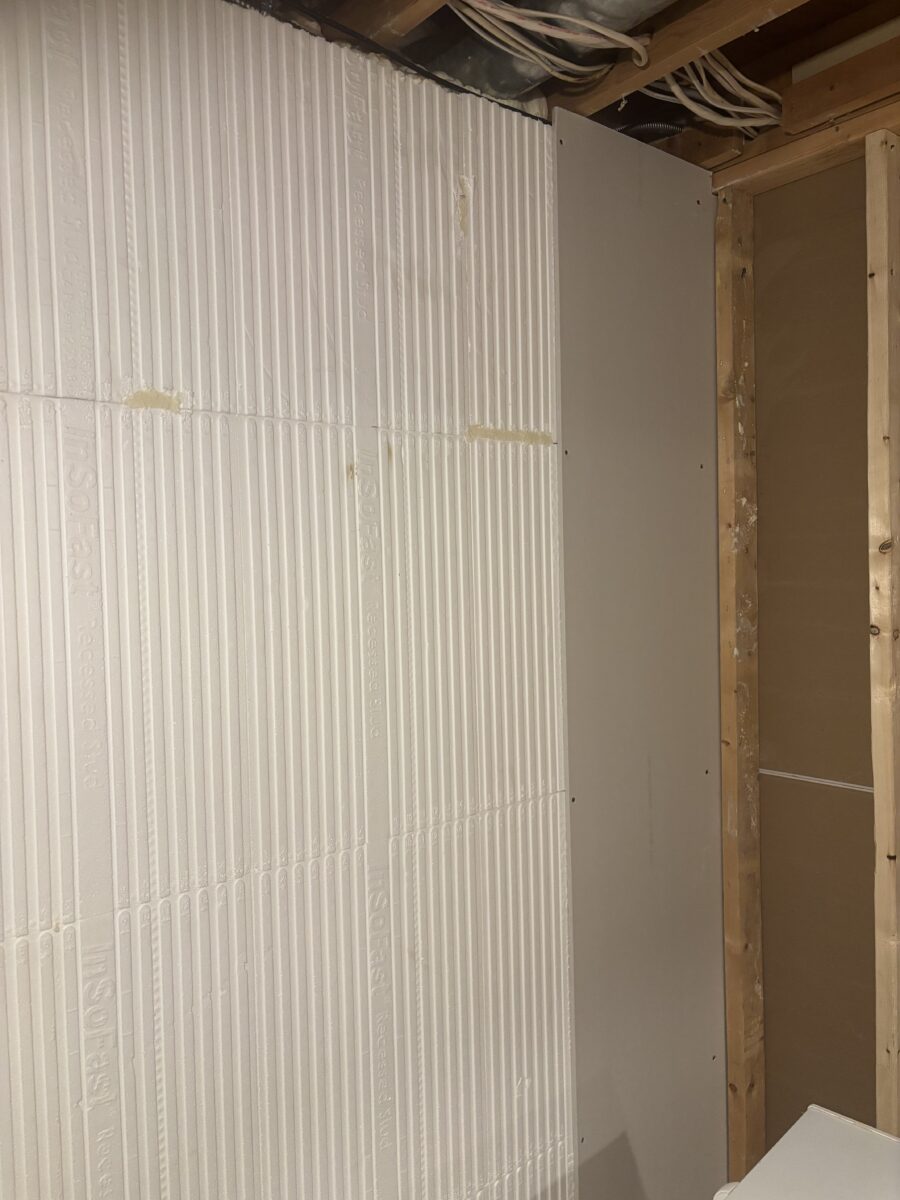
Another feature Jason appreciated was the built-in electrical raceways inside the panels.
Running wiring can often be one of the most intimidating steps for DIY renovators, but Jason found the process surprisingly easy.
“The electrical install is a breeze,” he said. “I’m handy, but I’m not an electrician, and it made running electrical very simple.”
He often shares the benefit with friends who ask about his project.
“That’s usually the first question people ask—how do you run electrical in those panels? When I explain it and show pictures, they think it’s amazing.”
Building a Family Playroom
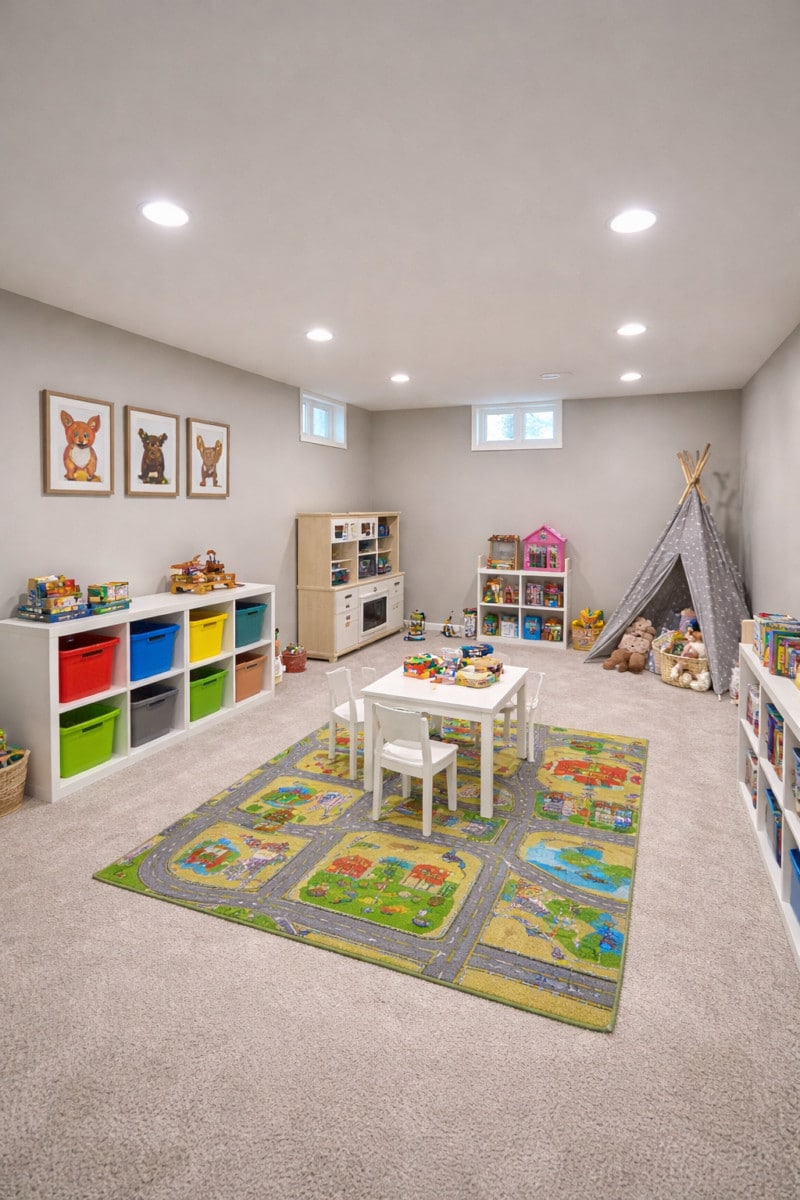
Once the project is complete, Jason’s insulated basement will become a dedicated playroom for his growing family.
With four children, the extra space will help move toys and activities out of the main living area upstairs.
“The goal is to give the kids their own space to play and keep the living room a little cleaner,” he said with a laugh.
Advice for Other DIY Basement Remodelers
For homeowners considering finishing their basement, Jason offers a few simple tips:
- Take time preparing the walls by removing bumps and flattening surfaces.
- Expect uneven floors or walls and plan to shim panels where needed.
- Use spray foam to seal gaps created by leveling adjustments.
- Watch installation videos beforehand to understand the process.
“You can’t expect everything to be perfectly level in a basement,” he said. “But the system is very forgiving if you take your time.”
With careful preparation and the right insulation system, Jason transformed his once-cold basement into a warmer, more comfortable space that will soon be filled with kids, toys, and family memories.

For 20 years, we have been an innovator in the insulation industry, with engineered solutions to save time and money. We pride ourselves on excellent customer service and quality products 100% made in the USA. InSoFast strives to change the way homes are built, making them more comfortable, energy efficient and healthier. For more info, visit our website at: InSoFast Continuous Insulation Solutions