Shipping Container Insulation FAQ:
Comfort, Condensation & Space Savings
Shipping containers offer a unique opportunity to create durable, efficient spaces for homes, offices, workshops, retail shops, and more…BUT insulating a steel structure is significantly different from insulating a traditional building. Questions about condensation, thermal bridging, comfort, ventilation, and space loss are some of the most important factors to determine whether a container feels temporary or truly livable.
The good news is with the right wall assembly and insulation strategy, shipping containers can become comfortable, high-performing spaces designed for long-term use. In this FAQ, we answer the most common questions container builders ask about insulation, moisture control, continuous insulation, and maximizing interior space so you can build smarter from the start.
Shipping containers are made of steel, and steel rapidly transfers heat and cold. When warm interior air contacts a cold steel surface, moisture forms like condensation on a cold drink can.
Without proper insulation and humidity control, condensation can lead to:
- rust and corrosion
- mold and mildew
- damp finishes
- poor comfort and air quality
The goal is not just adding insulation. It’s creating a continuous thermal layer to help prevent cold interior steel surfaces from forming condensation in the first place.

What makes insulating a shipping container different from insulating a house?
Traditional homes are designed with framed wall cavities and some degree of air leakage. Shipping containers are different—they are highly conductive steel shells with very little natural drying potential.
That means container insulation systems must address:
- thermal bridging
- hidden air gaps
- moisture control
- limited interior space
Container projects require a system designed specifically for steel structures, not simply adapting traditional wall methods.
Why is continuous insulation important in shipping containers?
Containers are essentially giant thermal bridges. Every exposed steel rib transfers exterior temperatures directly into the interior space.
Continuous insulation helps:
- eliminate thermal bridging
- improve comfort consistency
- minimize condensation risk
- increase energy efficiency
The more uninterrupted the insulation layer, the better the wall assembly performs in real-world conditions.
How much interior space do I lose when insulating a container?
Space matters more in container construction than almost any other building type.
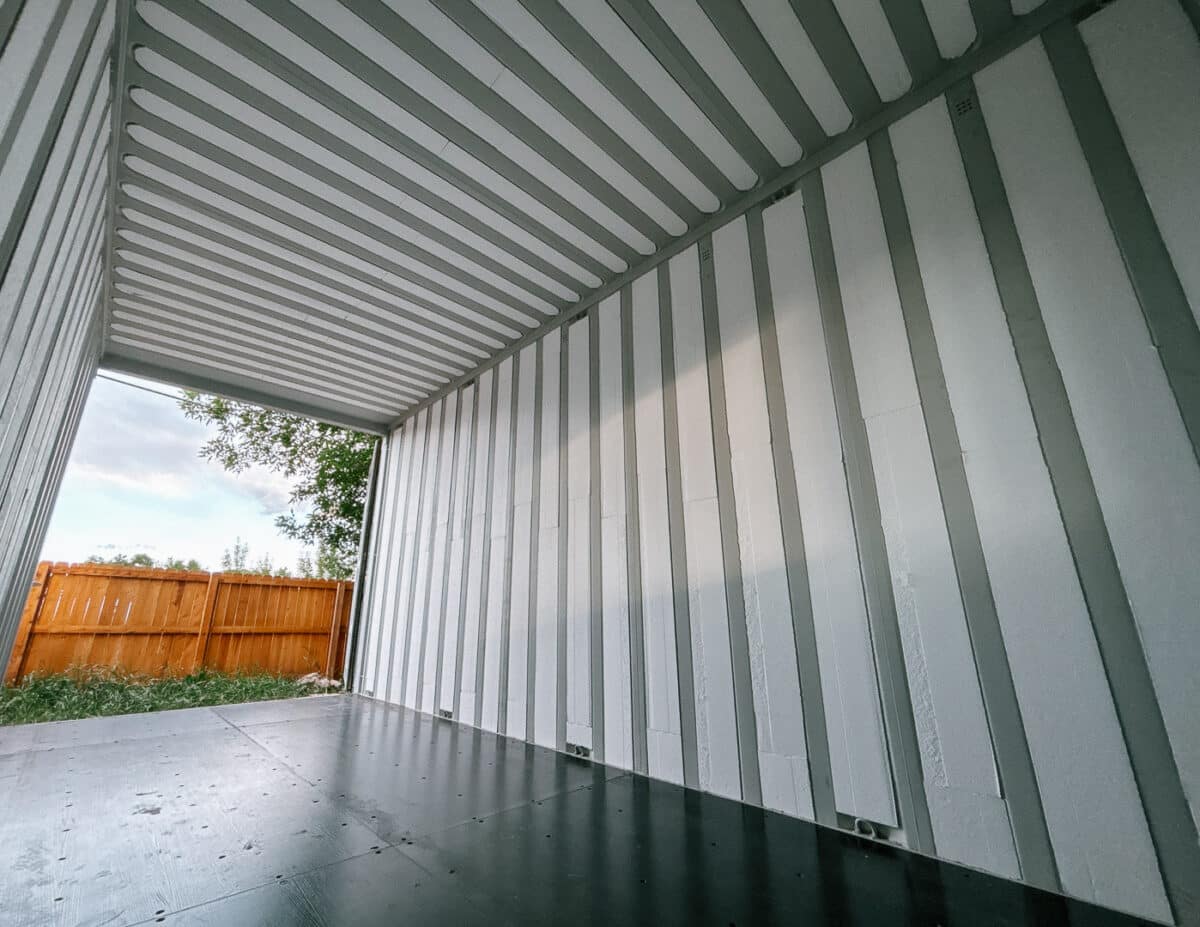
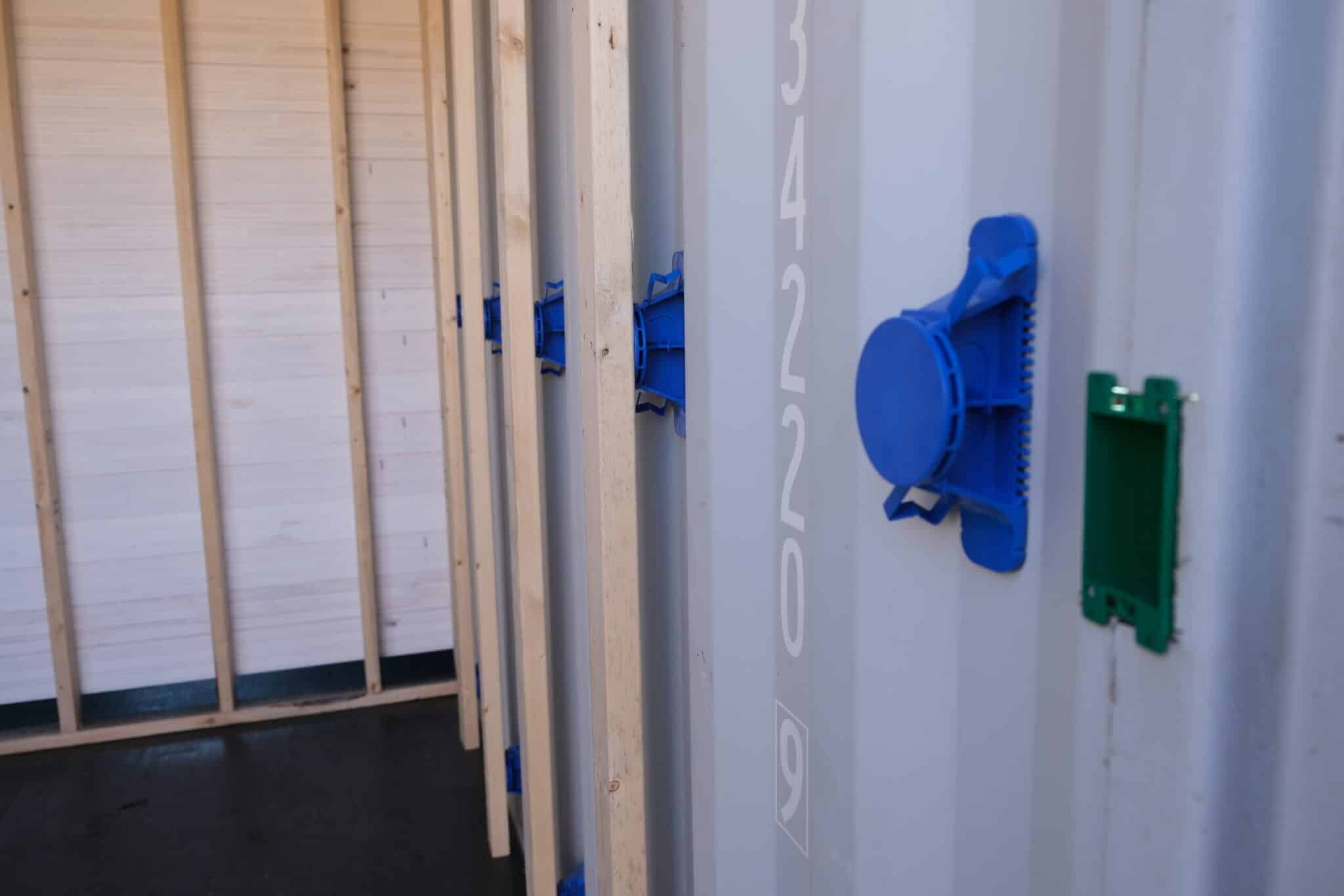
Traditional framing and spray foam systems can significantly reduce usable interior width. InSoFast panels are designed to provide insulation, structure, and wiring pathways in a thinner integrated system to help preserve valuable living and working space.
In a container, every inch counts.

Is spray foam the best insulation for shipping containers?
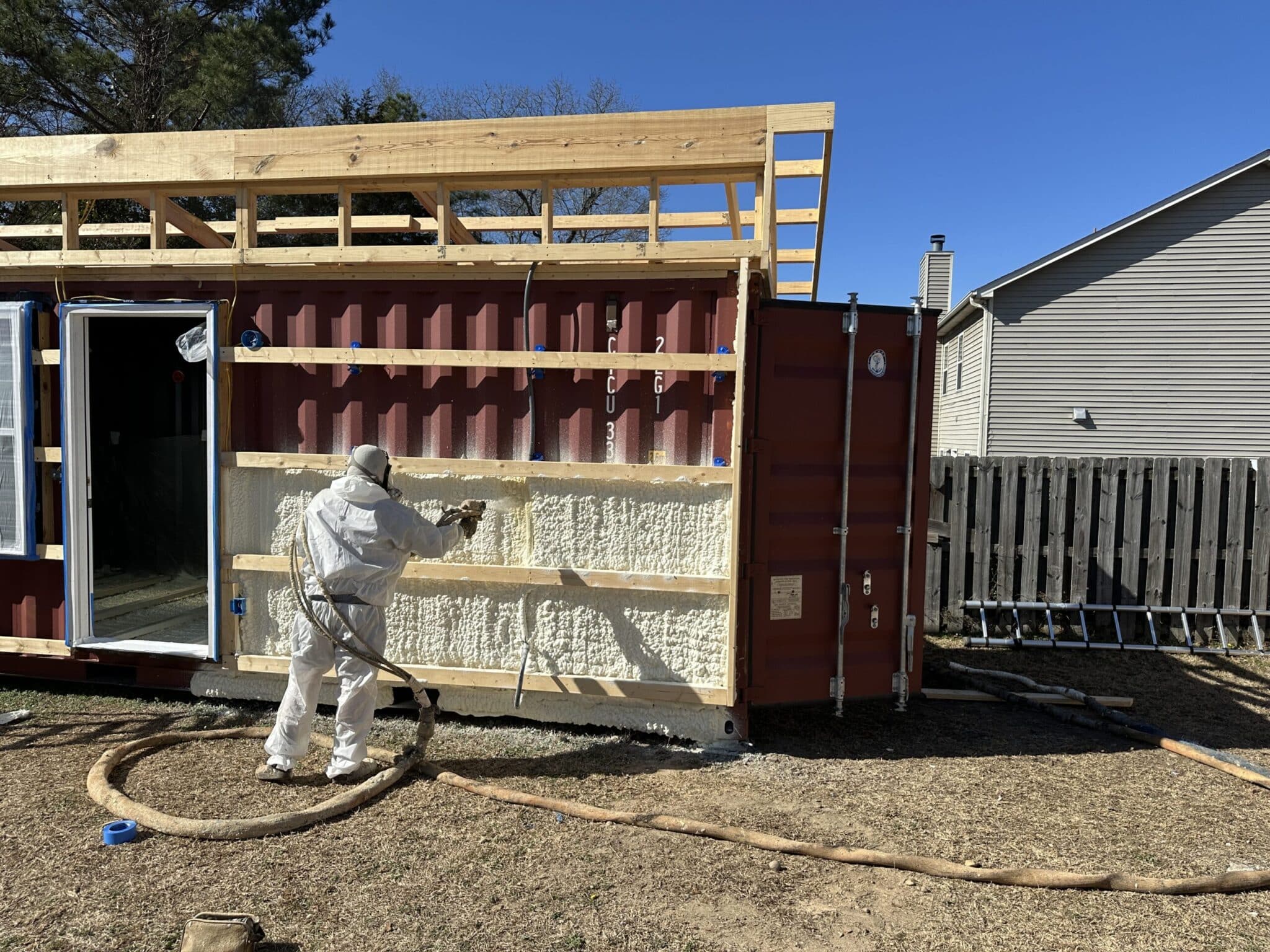
Spray foam is one option, but it is not the only solution.
Many container builders are now prioritizing:
- continuous insulation
- repeatable installation quality
- easier future modifications
- reduced interior space loss
- integrated wall systems
The best insulation approach depends on:
- climate zone
- intended use
- humidity levels
- desired interior finishes
- long-term maintenance expectations
The goal should always be creating a durable, comfortable, and moisture-controlled wall assembly—not simply maximizing R-value.
Can I insulate a container myself?
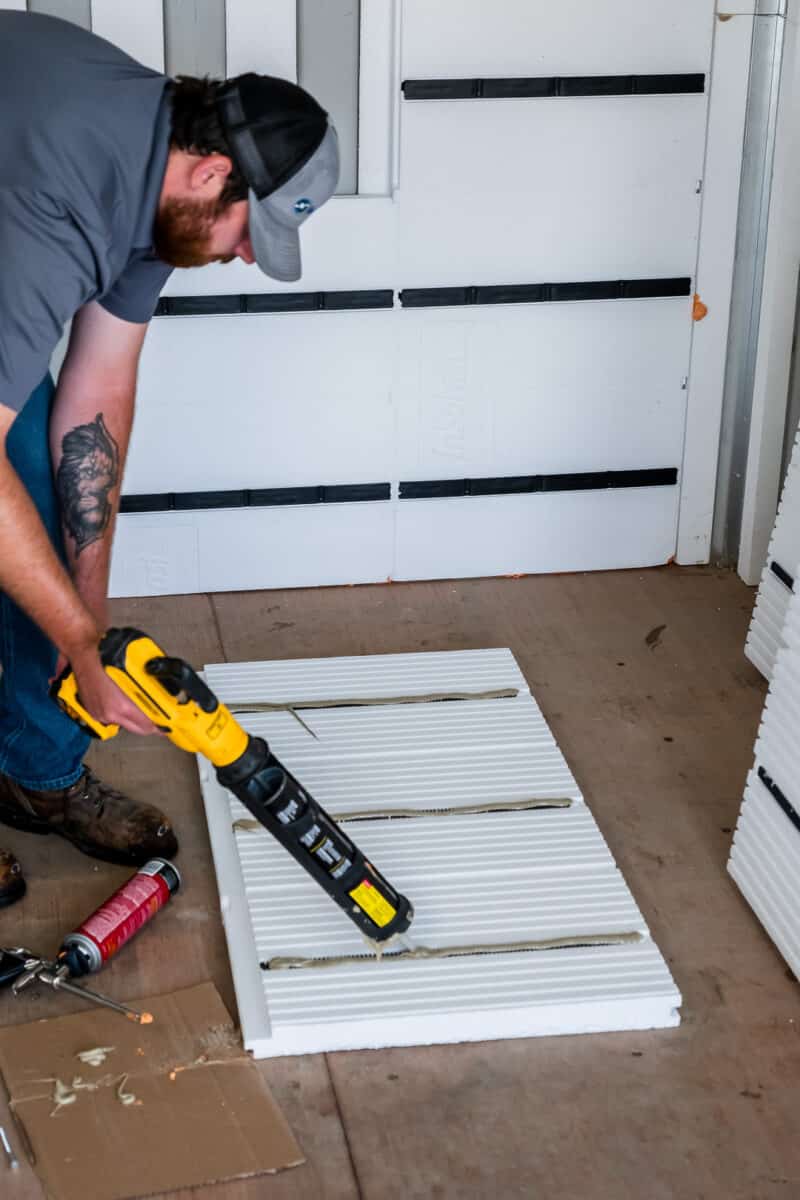
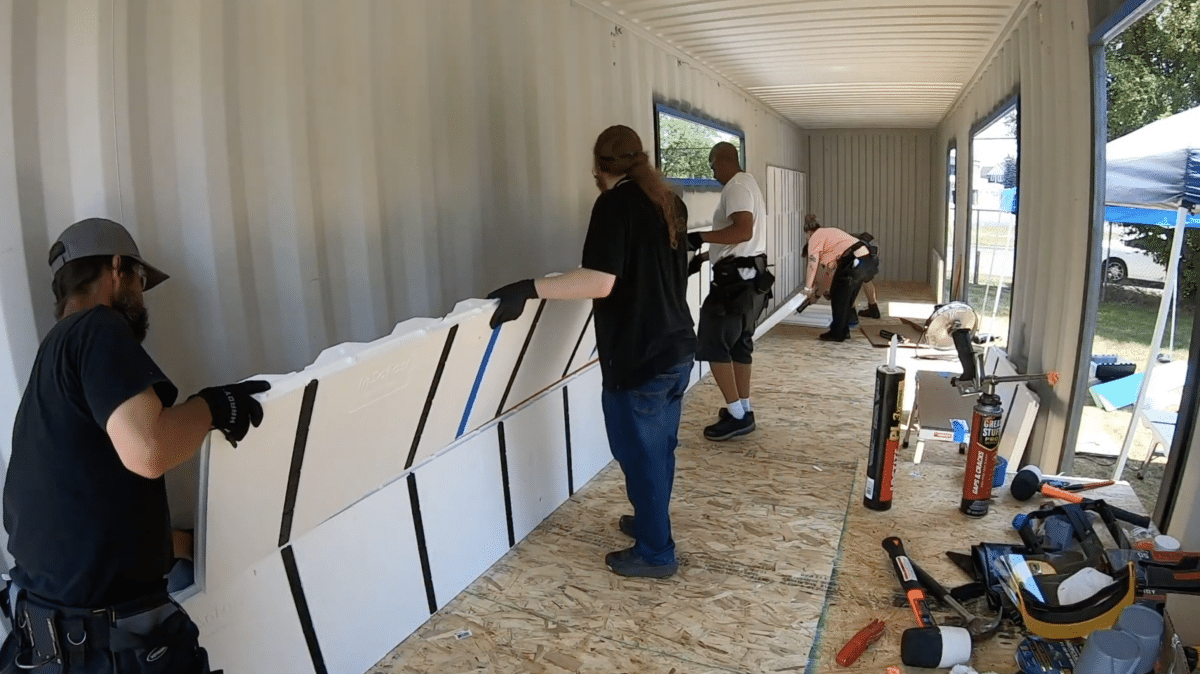
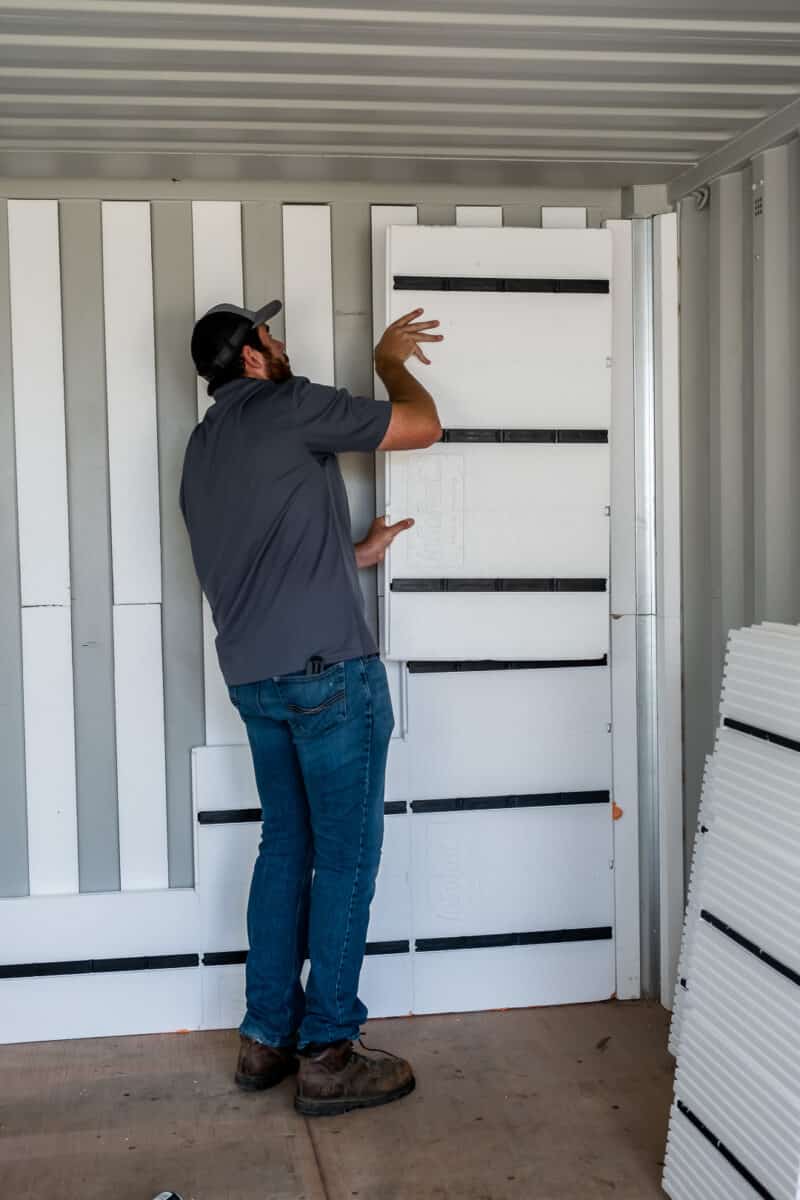
Many container projects are completed successfully by DIY builders. InSoFast systems are designed to simplify installation by integrating:
- insulation
- built-in studs
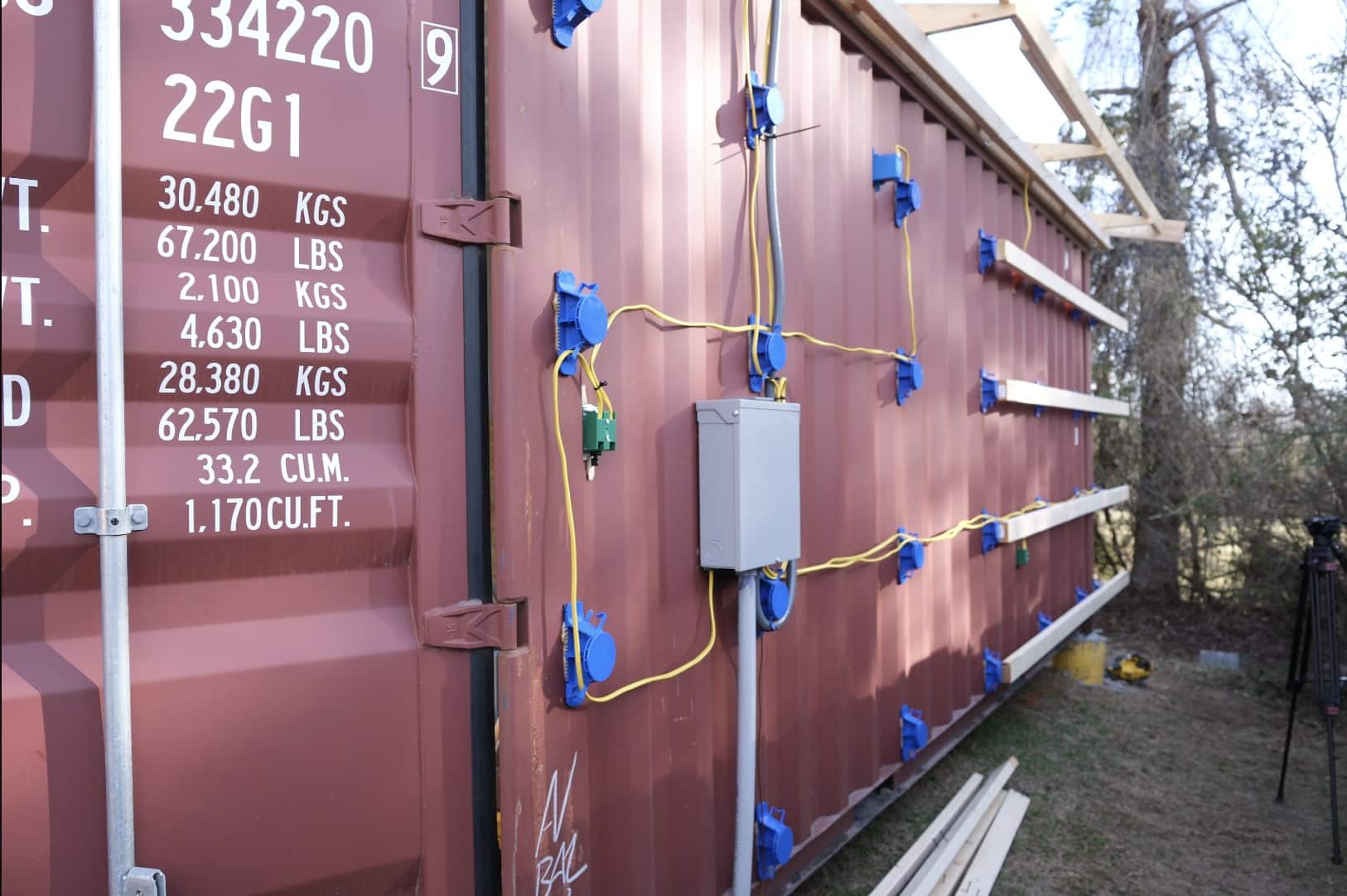
- wiring raceways
into one panel system typically installed using basic tools. For more advanced builds involving structural modifications, electrical work, or code compliance, professional guidance is still recommended.
Do shipping containers need ventilation after they’re insulated?
Yes. Containers are extremely airtight compared to traditional buildings. Even with proper insulation, everyday activities like:
- breathing
- cooking
- showering
- heating and cooling
can introduce moisture into the air. Mechanical ventilation and humidity control are important parts of a successful container build. Insulation works best when paired with proper HVAC and moisture management strategies.
Should I insulate the inside or outside of a shipping container?
Both approaches can work, but each has tradeoffs.
Exterior insulation:
- reduces thermal bridging most effectively
- helps keep steel warmer
- improves condensation control
Interior insulation:
- preserves the exterior container appearance
- simplifies some installations
- is often more practical for retrofit projects
The best solution depends on:
- climate
- aesthetics
- budget
- project goals
- local building requirements
What are the biggest mistakes people make with container insulation?
Common mistakes include:
- ignoring condensation risk
- leaving exposed steel surfaces
- failing to insulate floors or ceilings
- relying only on R-value without considering thermal bridging
- skipping ventilation planning
- using systems which consume too much interior space
A successful container build balances:
- insulation
- moisture control
- HVAC
- space efficiency
- structural considerations
What makes a shipping container comfortable to live or work in?
Comfort is more than temperature. A well-designed container build should feel:
- dry
- quiet
- stable in temperature
- energy efficient
- free from condensation problems
The difference between a container that feels temporary and one that feels truly livable usually comes down to the quality of the wall assembly and moisture management strategy.

Continuous Insulation Solutions
For 20 years, we have been an innovator in the insulation industry, with engineered solutions to save time and money. We pride ourselves on excellent customer service and quality products 100% made in the USA. InSoFast strives to change the way homes are built, making them more comfortable, energy efficient and healthier. For more information, visit our website at www.InSoFast.com